From Generic Word Templates to AI-Native Drafting for IRS Correspondence and Client Memos
AI-native tools automate IRS letter drafting but require rigorous review to prevent costly errors.
AI-native drafting changes how tax firms build IRS correspondence and client memos. Tools including Marble, TaxGPT, and CPA Pilot use research or notice processing to build structured drafts from sources, taking over some of the work that staff once assembled by hand. The benefit depends on a clear division of work, with AI constructing the draft and practitioners verifying its facts, authorities, and conclusions.
Why the volume and complexity of IRS correspondence now exceed what template-based workflows were designed to handle
A client forwards an IRS notice without knowing whether it demands immediate action or can be resolved online. Before drafting anything, the practitioner must identify the issue, establish the deadline, and determine what evidence the response needs. The IRS accelerated notice mailings in 2025 as part of stepped-up compliance and collections. Its Simple Notice Initiative covers correspondence from balance-due statements to identity verification requests, but the practice still has to triage those notices even when the wording is clearer.
The range of notices makes that burden more than a volume problem. CP2000 deals with underreported income, CP14 is for a balance due, and CP501/CP503/CP504 are collection follow-ups. Letter 12C asks for missing information, 5071C is for identity verification, and LT11 gives notice of intent-to-levy. Each has its own response logic, deadlines, and exhibits, and staff still have to deal with automated notices that are wrong. The IRS’s use of AI and machine learning to prioritize complex, high-risk cases adds pressure for responses that can withstand scrutiny.
What generic Word templates were actually built to do — and where that design breaks down
Word templates and boilerplate letter libraries serve a useful purpose. They keep the formatting, standard language, and exhibit shells so a practice can start from the same form each time. A practitioner must still match the notice to the right response, find the IRC sections that apply, gather supporting documents, and check whether citations carried over from earlier work are still current. Document production remains separate from research and case analysis.
That separation creates specific opportunities for error. A prior engagement’s citation can survive into an unrelated response, or exhibit labels can fail to match the instructions for the current notice. Even a simple client email explaining a changed tax liability requires someone to retrieve figures from the completed return and translate them into useful language. Because judgment enters at each assembly step, delegation remains limited and senior review becomes construction work. Platforms built for this work, including Marble, bring client facts and research into drafting so those tasks become part of building the document.
How AI-native drafting actually works — notice classification, authority retrieval, and structured output
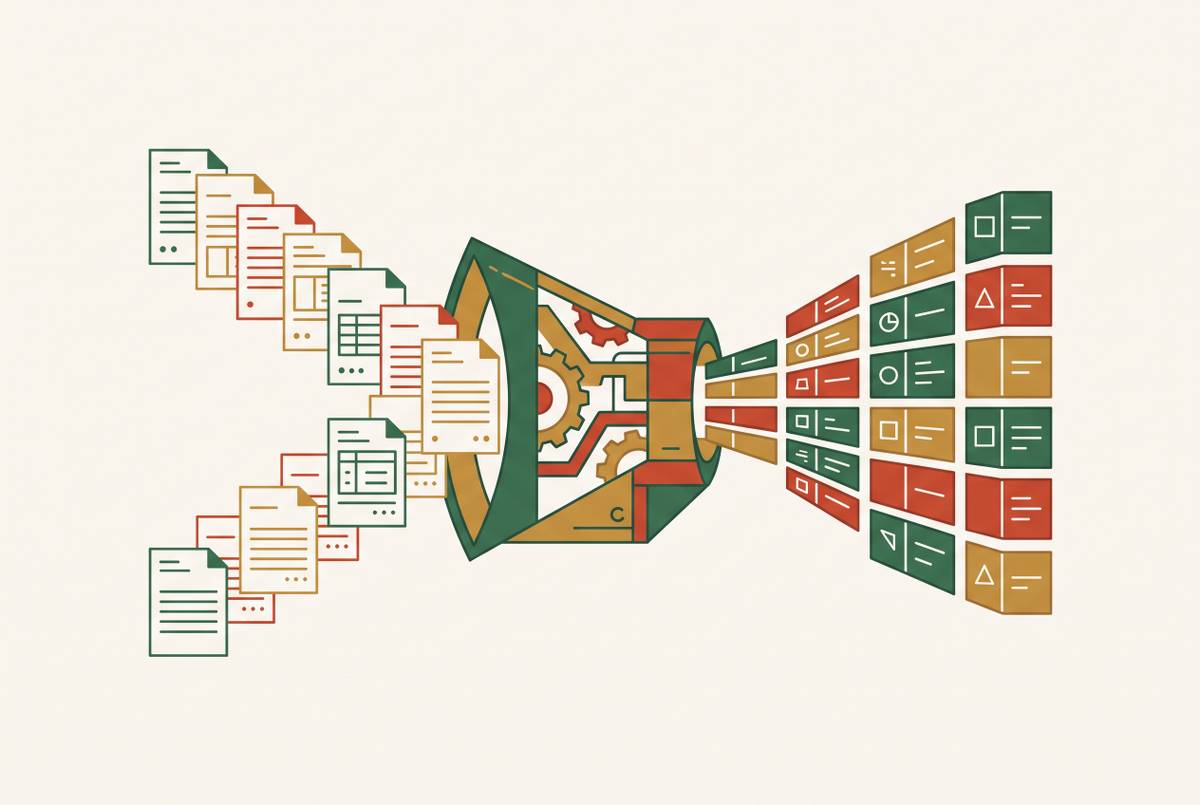
AI-native drafting replaces manual assembly at two distinct layers. At the notice layer, tools read the correspondence, classify its type and code, and extract the tax year and response deadline. CPA Pilot’s workflow documentation describes generating a structured response packet with exhibits, client communications, and content aligned with IRS instructions. The practical distinction is between filling a letter shell and building a response around the notice’s requirements. That output is prepared for review.
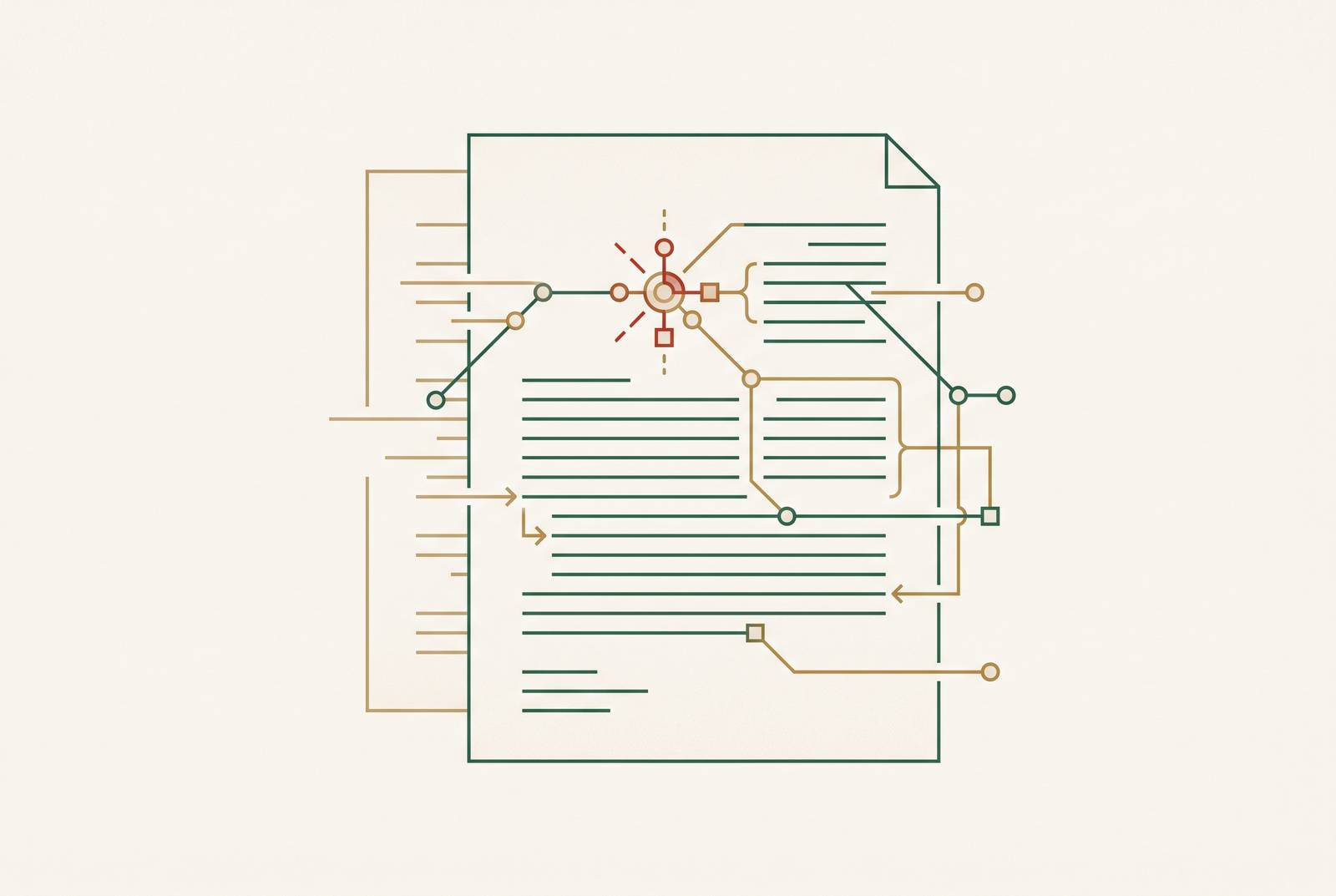
At the memo layer, purpose-built platforms retrieve primary authorities, including IRC sections, Treasury Regulations, Revenue Rulings, case law, and state-level guidance. Those sources feed the draft as it is written. Marble maintains a searchable library of statutes and regulatory guidance, allowing citations to trace to sources in its database. This gives the reviewer a concrete starting point for checking whether the authority supports the conclusion.
Client communication can draw on the same research and case context. TaxGPT says it uses answers drawn from primary tax sources to write tax memos, IRS notice responses, and engagement letters. Agentic systems extend this approach by breaking complex questions into sequential research and drafting tasks. They can carry out memo drafting, compliance checks, and client file review without requiring the practitioner to decompose every task manually.
What this structural shift means for how tax practices are organized and billed
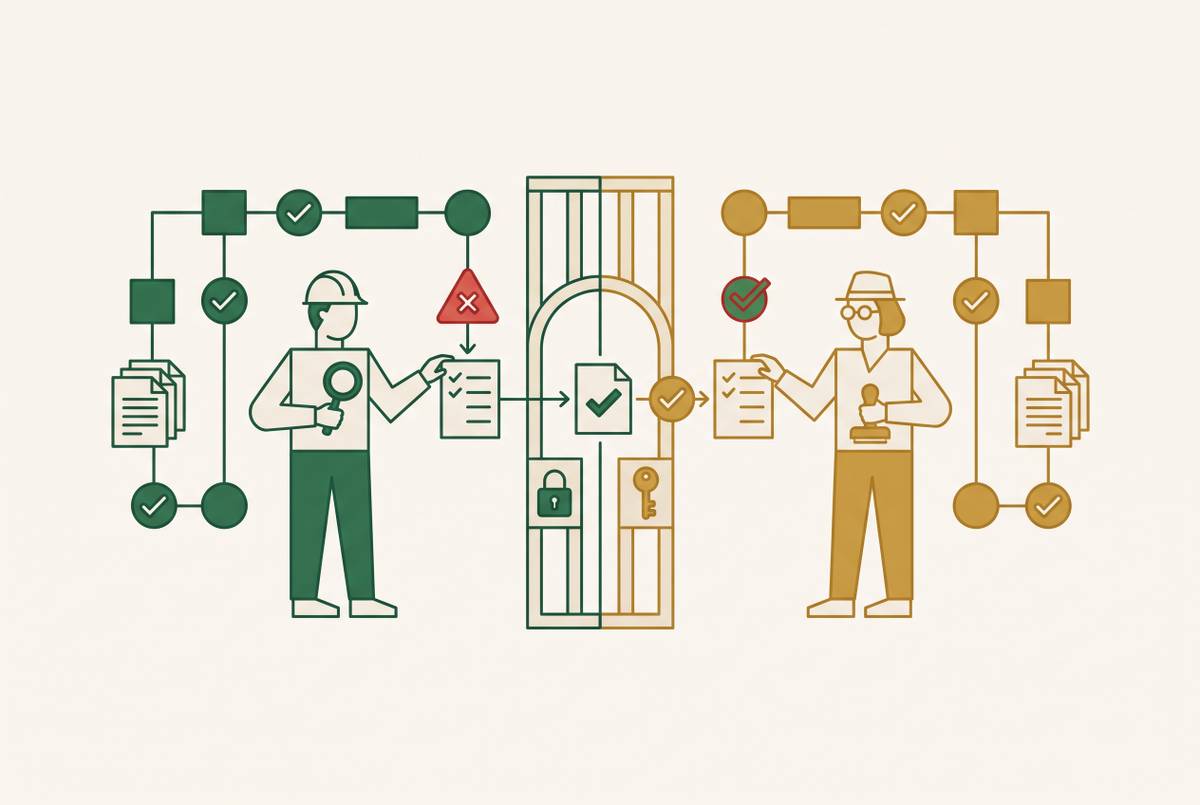
When the first output is structured and editable, the firm can separate preparation from professional judgment more clearly. Junior staff can handle standardized triage and first-draft production, while senior practitioners concentrate on the position taken and the evidence supporting it. Clients’ uncertainty about notices makes this especially relevant because categorization otherwise competes with legal analysis for experienced staff time. By combining notice triage with research, systems built for tax practitioners, such as Marble, can absorb part of that preliminary workload. Staff can use the time they save for complex advisory work.
That efficiency also changes the economics of the engagement. If drafting takes less time, billing the former number of hours no longer describes the labor performed. OPR Alert 2026-19 connects this issue to the Circular 230 prohibition on unconscionable fees. The concern is independent of whether the resulting letter is accurate. Fixed-fee or value-based models may better fit the new workflow because they charge for what practitioners know, the responsibility they take, and the results they deliver, instead of using the old hours-per-deliverable calculation.
What IRS OPR Alert 2026-19 requires of practitioners who use AI in drafting
The IRS Office of Professional Responsibility issued Alert 2026-19 on June 24, 2026, to clarify how existing professional obligations apply to AI-assisted work. It does not create a separate professional standard for machine-generated drafts. Its application of Circular 230 § 10.22 requires thorough review before delivery to a client or submission to the IRS, including active verification of facts, citations, and calculations. That is the alert’s AI-specific application of the general due diligence requirement. AI output remains a draft.
Circular 230 § 10.35 addresses competence, including understanding how AI generates content and where errors or bias may arise. Section 10.36 makes firm leaders responsible for keeping adequate compliance procedures in place, so review, confidentiality, and billing are part of how the firm is run as well as how each practitioner acts. Section 10.27 addresses unconscionable fees, including the exposure associated with billing for time not spent or misdescribing AI-assisted work as fully manual. These requirements support deliberate adoption rather than an assumption that professional responsibility transfers to the software.
Client confidentiality also requires a separate analysis under IRC §§ 6713 and 7216. Treas. Reg. § 301.7216-1(b)(3) defines tax return information broadly enough to encompass the client data these systems process. Under that definition, uploading a return or notice to a public AI platform without the right authorization can create liability even if the information goes no further than that platform. Tool selection must account for this data handling question alongside drafting quality.
Where AI-native drafting creates new risk — hallucination in tax filings and the consequences already on record
A template can carry stale language, but generative AI can manufacture apparent authority. It may produce a nonexistent Treasury Regulation, invent a Revenue Ruling, or attribute a legal proposition to fabricated case law. A blank exhibit shell shows that work is unfinished, but an invented citation can look complete. Source retrieval matters because fluency alone offers no way to distinguish the two.
OPR Alert 2026-19 cites courts imposing consequences for AI-related misconduct, including financial sanctions, public censure, ethics course requirements, default judgments, removal from representation, and disciplinary referrals. It also cites the Deloitte Australia matter from July 2025. A government-published report contained invented judicial quotations, references to nonexistent reports, and nonexistent books attributed to real academics, apparently produced by generative AI. Deloitte Australia agreed to a partial refund.
The tax consequence is direct. IRC § 6662 and Treas. Reg. § 1.6662-4(d)(3)(i) and (iii) tie substantial authority to the weight of qualifying authorities supporting a treatment relative to contrary authorities. A made-up citation adds no weight to a defense and cannot establish reasonable basis or substantial authority. If a drafting tool cannot provide a verifiable source trail, practitioners must reconstruct that foundation themselves. The apparent efficiency then comes with a second layer of research work.
How to evaluate an AI drafting tool for IRS correspondence and client memos — five criteria that separate defensible output from fluent guesswork
First, assess whether the tool retrieves answers from a curated database of primary tax authorities or generates them from broad training data. Source database integrity determines what foundation the draft starts with. Second, check whether each citation leads to the actual statutory, regulatory, or judicial text. Citation traceability makes the verification required under § 10.22 practicable, though the reviewer must still check the source’s support for the claim.
Third, assess whether notice coverage includes distinct response logic. Coverage should be assessed against the practice’s work, including CP2000, CP14, CP504, Letter 12C, CP5071C, and LT11. Fourth, check whether client data is encrypted in transit and at rest, isolated from other clients’ information, and excluded from model training. These controls inform the confidentiality analysis under IRC §§ 6713 and 7216, but do not replace the need to assess authorization.
Fifth, editable, structured drafts with flagged issues are more useful for substantive practitioner review than text presented as final. The relevant test is whether reviewers can inspect the facts, authorities, and unresolved questions before approval. Together, these criteria distinguish a drafting workflow from a system that merely produces plausible language. They also make vendor comparisons more meaningful than a general claim about AI quality.
What AI tools can draft IRS correspondence and client memos — how the leading options compare
Marble is a purpose-built option for practices seeking to connect research, intake, document review, notice triage, and compliance checks. Its primary-authority research can become memos and client communications within a client or engagement context. A shared client profile and project folders keep facts with the work they belong to, and secure intake and checklists tailored to the work help staff collect documents. It fits practices seeking to reduce repetitive backend assembly across an engagement. The practitioner remains responsible for reviewing material outputs and signing off on the substance.
TaxGPT combines research, drafting, and document analysis for tax professionals. Its Tax Writer covers IRS notice responses, client memos, and engagement letters, while Document Analysis accepts returns, financial statements, and notices for client-specific work. TaxGPT describes SOC 2 Type II certification, automatic PII redaction, encryption, and exclusion of client data from model training. Its Cowork agents work in software firms already use, so firms can automate more of their work without moving to a new platform.
CPA Pilot concentrates on the notice response cycle, including triage, document collection, drafting, review, and secure submission. It covers CP2000, CP14, CP501/CP503/CP504, Letter 12C, and CP5071C with notice-specific checklists, document requests, and deadline tracking. Plain-English client emails and an audit trail of deadlines, submissions, and document receipt support practices whose main bottleneck is notice handling.
Thomson Reuters CoCounsel Tax addresses multi-step research through agentic capabilities that include memo drafting, compliance checks, and client file review. It is a particularly good fit for large firms that already use the Thomson Reuters ecosystem and deal with complex, multi-jurisdiction questions. Blue J puts more weight on predicting outcomes and generating memos with one click for tax controversy and cross-border work. Its prediction capability serves practices that need to assess the likely direction of a disputed position before drafting their response.
What a responsible AI-native drafting workflow looks like in practice, given OPR Alert 2026-19
A responsible workflow begins with written procedures for tool selection, data handling, review, and billing disclosure under the firm-level responsibility in § 10.36. Those procedures set out what work staff may hand over to AI and which decisions need a practitioner’s approval. Before client information enters a platform, the firm evaluates the applicable confidentiality and authorization requirements. The AICPA advises tax preparers to err on the side of caution and disclose AI use to clients, although the OPR Alert does not mandate disclosure in every case.
The drafting stage then feeds substantive review under § 10.22, in which practitioners verify facts, citations, quotations, calculations, dates, filing thresholds, and legal conclusions, applying the competence required by § 10.35. Billing reflects the work actually performed and avoids mischaracterizing AI-assisted production under § 10.27. With those boundaries in place, AI handles repetitive construction while practitioners retain control of the tax position and client advice. Greater drafting capacity leaves review time for the judgments that make correspondence and memos defensible.