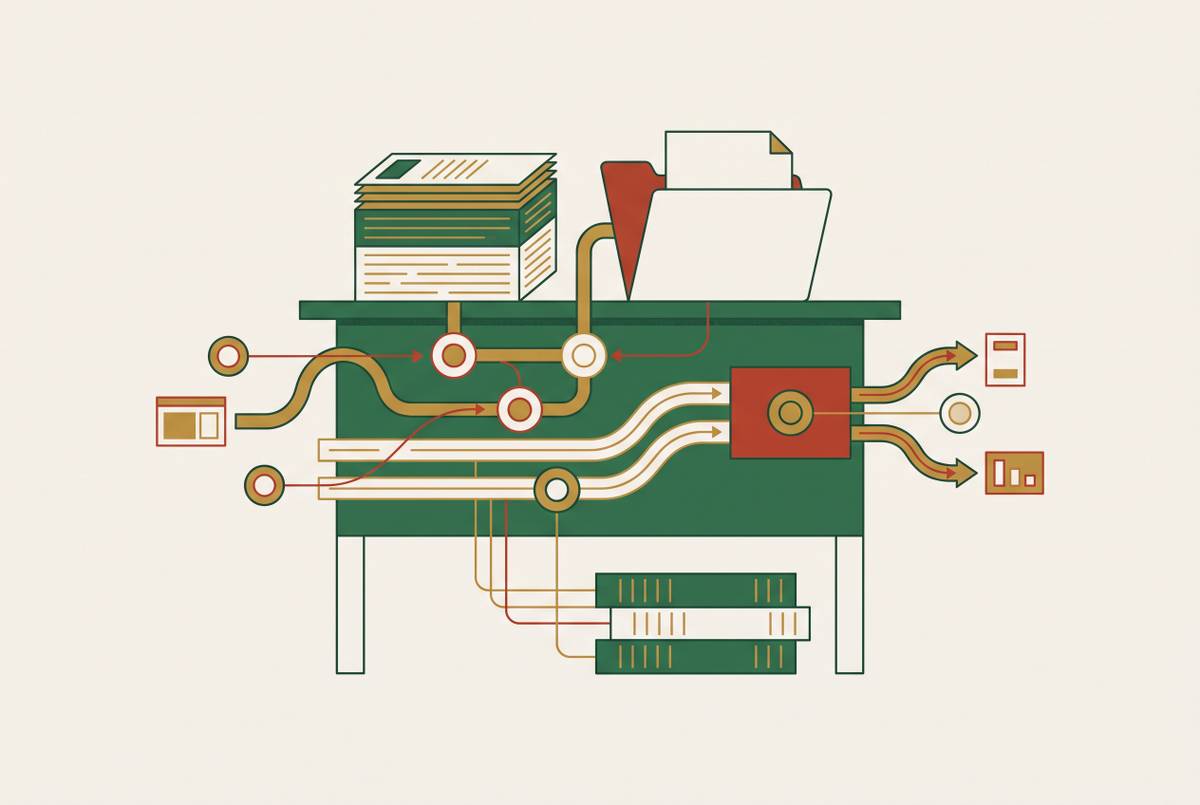
What AI Actually Does Inside an Accounting Firm
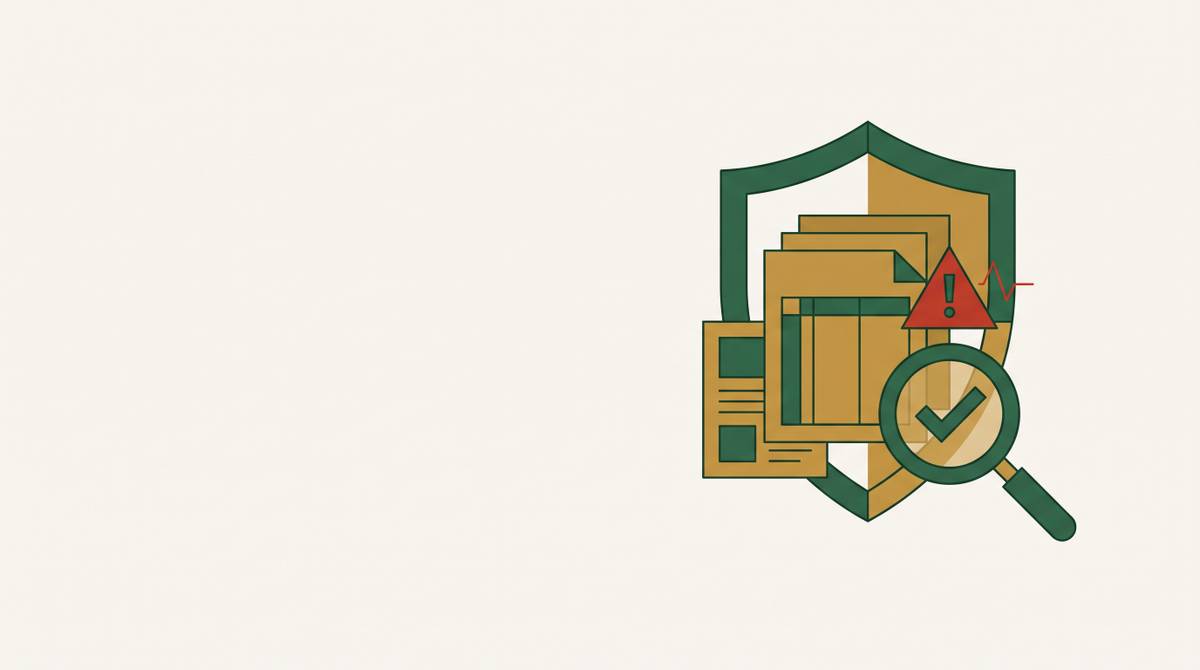
AI extracts data from documents and flags anomalies accountants review.
Beatrice Rosenthal
Features Editor
Beatrice Rosenthal covers features, cpa licensing and tax valuation concepts for Taxation Apps.
17 stories
AI extracts data from documents and flags anomalies accountants review.
CPAs must own at least 51% and control CPA firms; non-CPAs cannot exceed 49%.
Enrolled Agents and CPAs have equal IRS authority; choose based on actual work, not assumptions.
The six principles guide ethics but only rules get enforced.
Get the strike price above fair market value or your employees face the tax penalty.
Systematic errors in tax work stem from design flaws, not careless mistakes.
Fixing the bottleneck requires addressing tax code complexity, not just hiring more staff.
AICPA standards and state law require specific clauses to protect your firm.
Converted S corporations face a five-year tax on appreciated assets inherited from C-corp status.
Structured intake processes reduce onboarding time and protect against compliance failures.
Four distinct exposure categories require different controls based on likelihood and severity.
How tax firms can build execution layers that absorb regulatory growth without adding headcount.
A manual needs both policies and procedures to actually guide staff through their work.
Compliance requirements must be built into your system, not bolted on after deployment.
ERP systems weren't built for tax—and treating them as enough will eventually fail.
Proactive firm systems prevent recurring errors that reactive review can never catch alone.
Automation cuts tax season overhead by 23 to 31 percent of billable time.