From Generic Word Templates to AI-Native Drafting for IRS Correspondence and Client Memos
AI-native tools automate IRS letter drafting but require rigorous review to prevent costly errors.
Beatrice Rosenthal
Section
15 stories in Compliance Operations.
AI-native tools automate IRS letter drafting but require rigorous review to prevent costly errors.
New IRS guidance requires tax firms to build AI workflows with built-in review and oversight.
Tap your tax software's workflow events to send client letters automatically instead of by hand.
Configurable role permissions enforce tax review handoffs and prevent engagement stalls.
Knowing which AI layer solves your actual bottleneck saves money.
Purpose-built tax AI extracts and validates documents that generic OCR cannot reliably handle.
Separating QA and QC functions eliminates the bottleneck automation and staffing cannot fix.
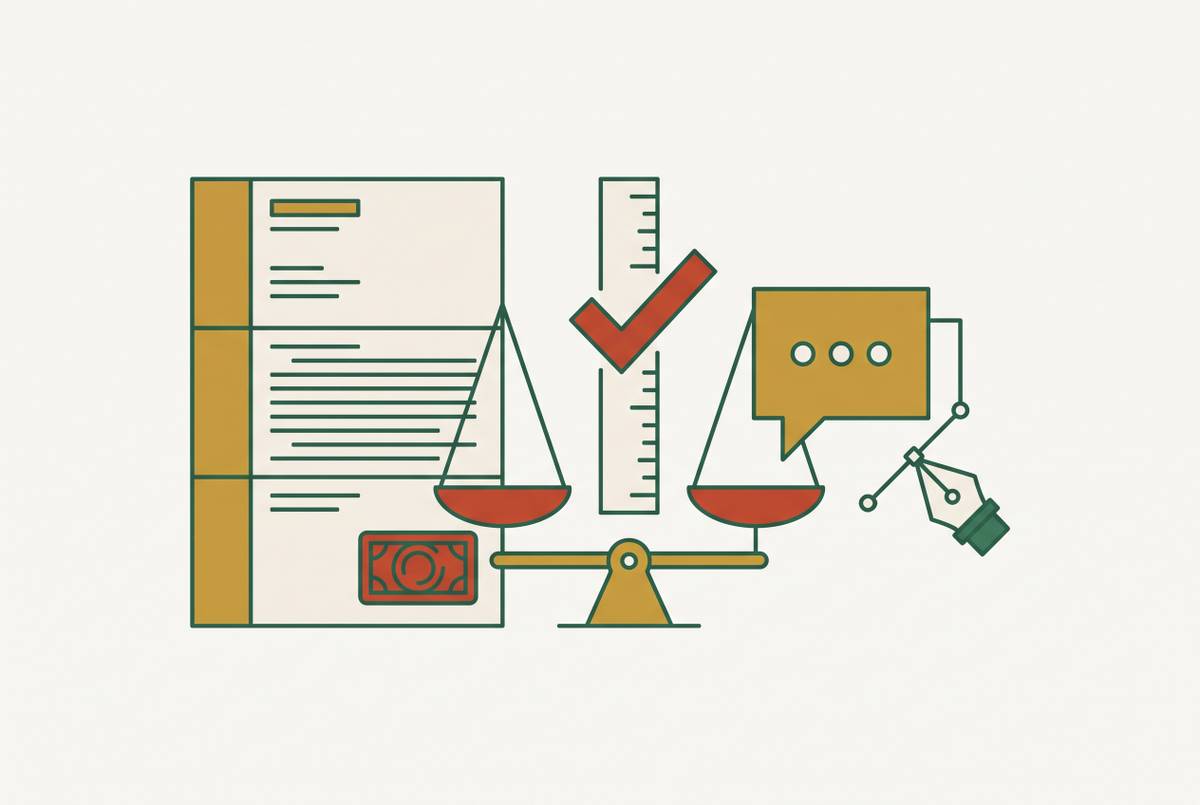
AI-drafted tax correspondence must clear Circular 230, not just pass a vendor demo.
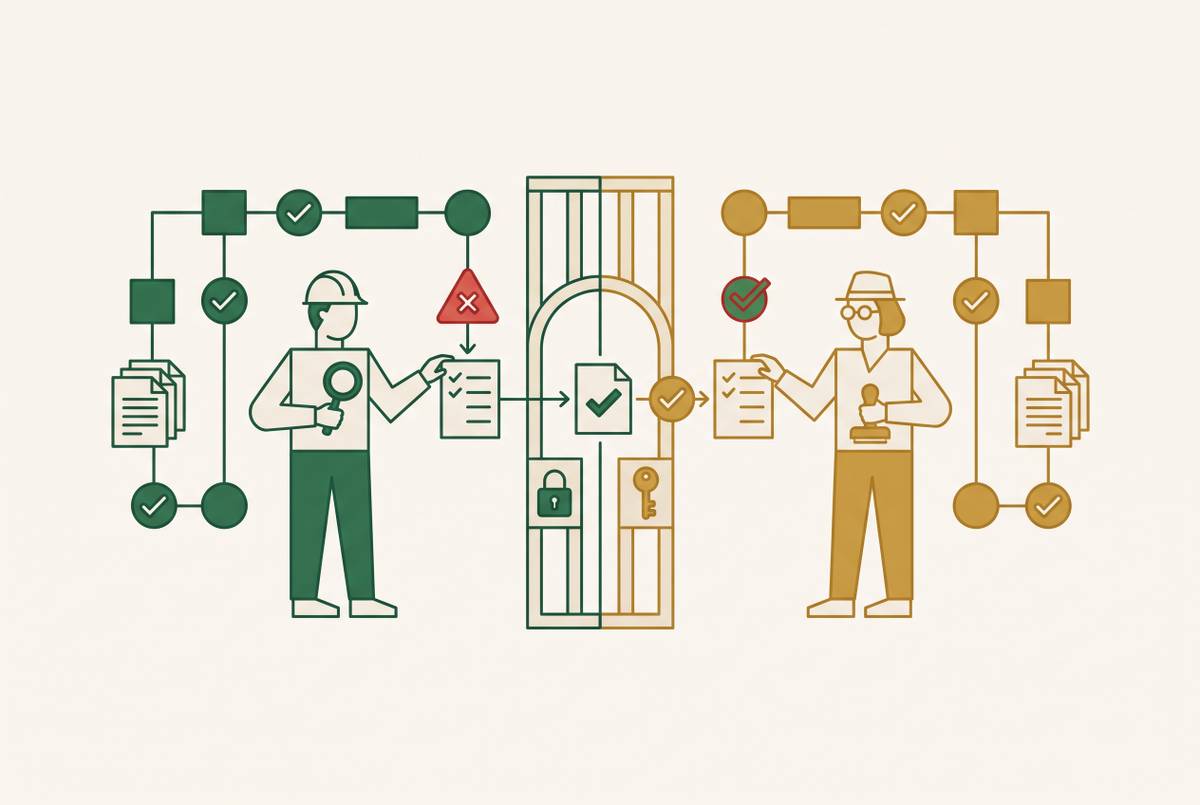
AICPA compliance now requires software-enforced separation between tax preparers and reviewers.
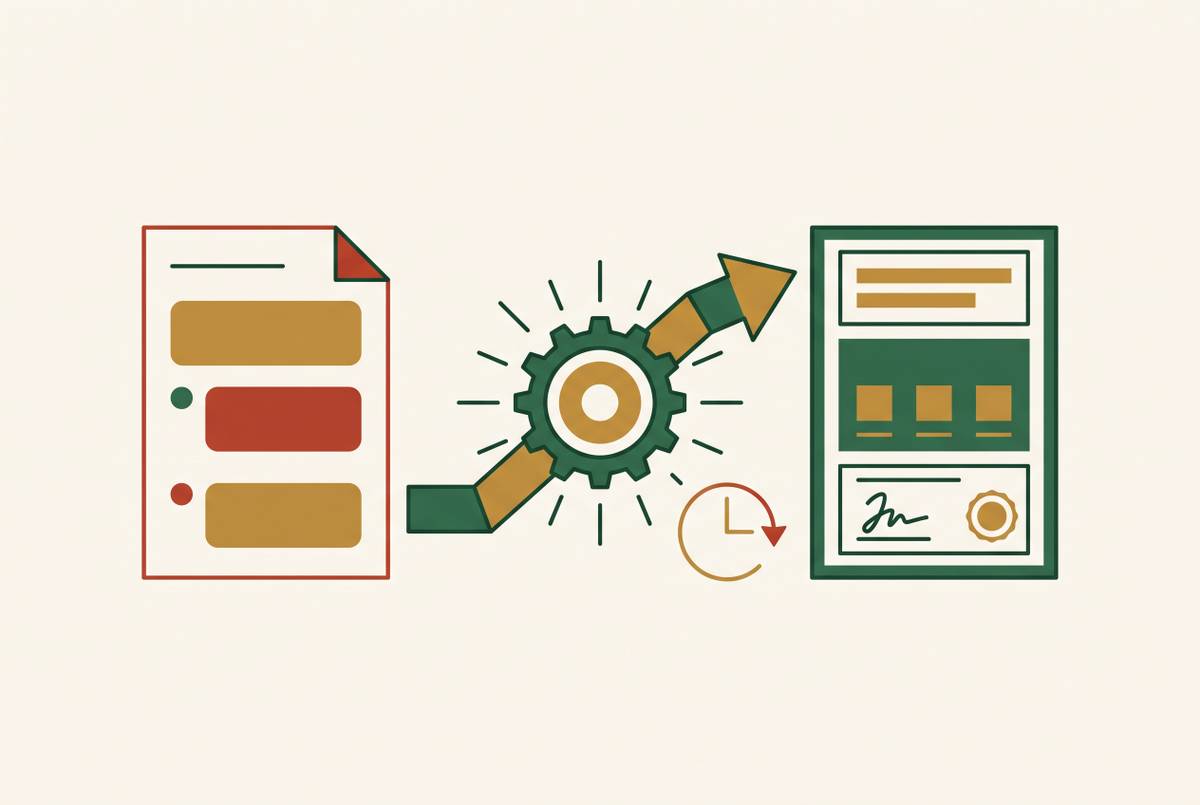
AI automates the routine intake work that slows down IRS notice responses.
Marble connects intake, research, and return analysis in one shared workspace.
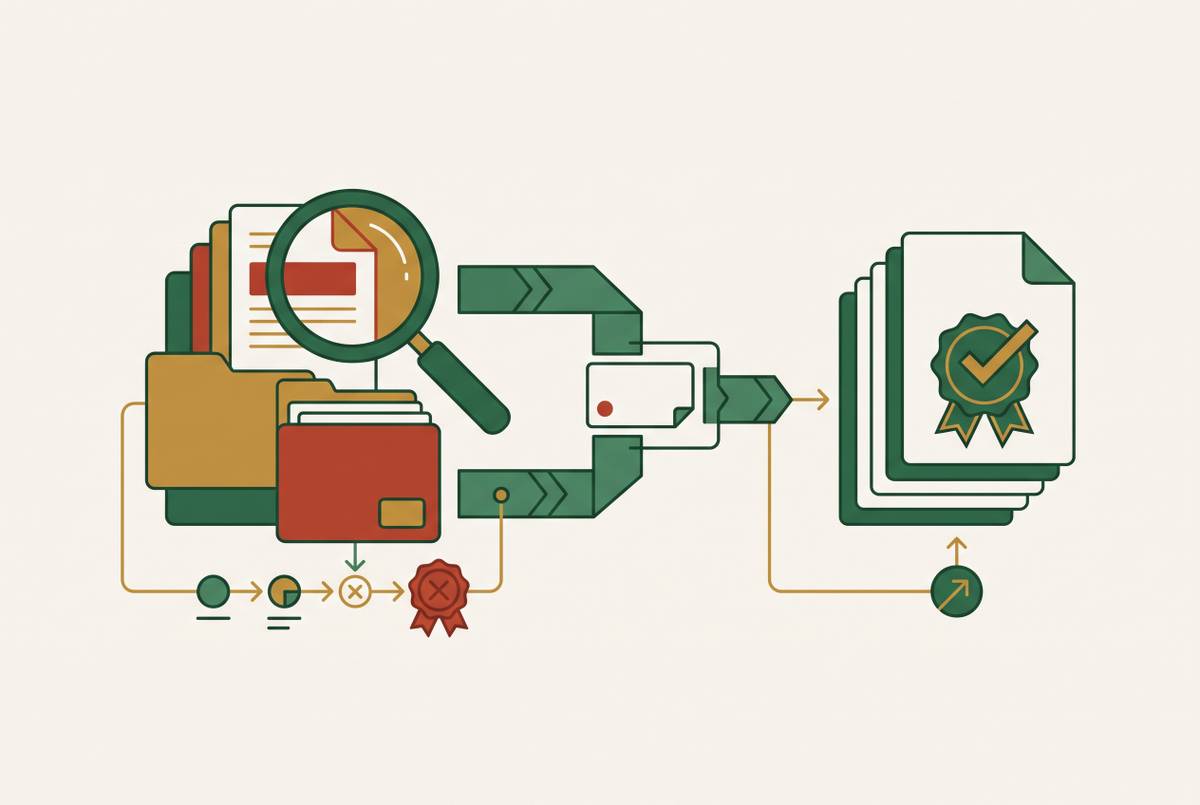
Purpose-built platforms automate verification, not just extraction, to handle staffing shortages.
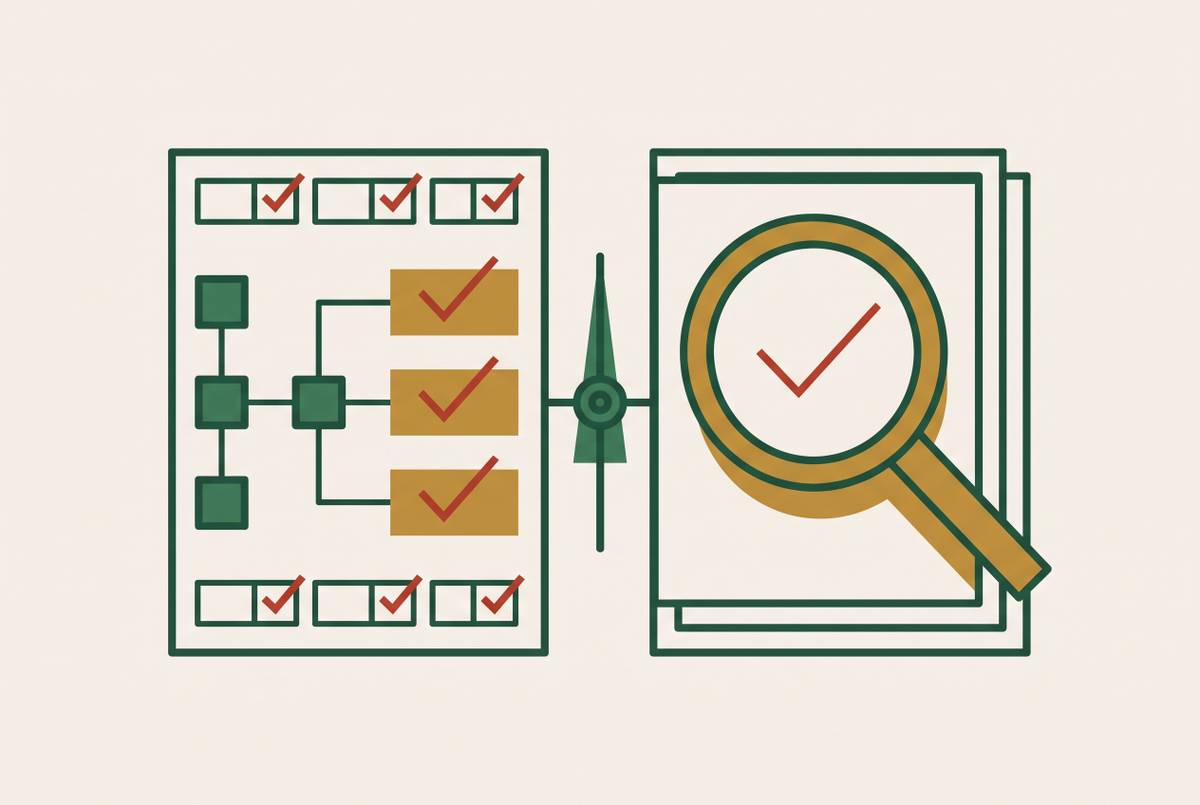
Separating quality assurance from quality control prevents partners from firefighting during review.
RAG-based platforms guard against hallucinated citations that general AI cannot.
Firms need different tools to prevent errors upstream versus catch them downstream.