Tax Workflow Tools That Enforce Structural Role Separation Between Reviewers and Approvers
Software permissions must prevent the same person from both preparing and approving returns.
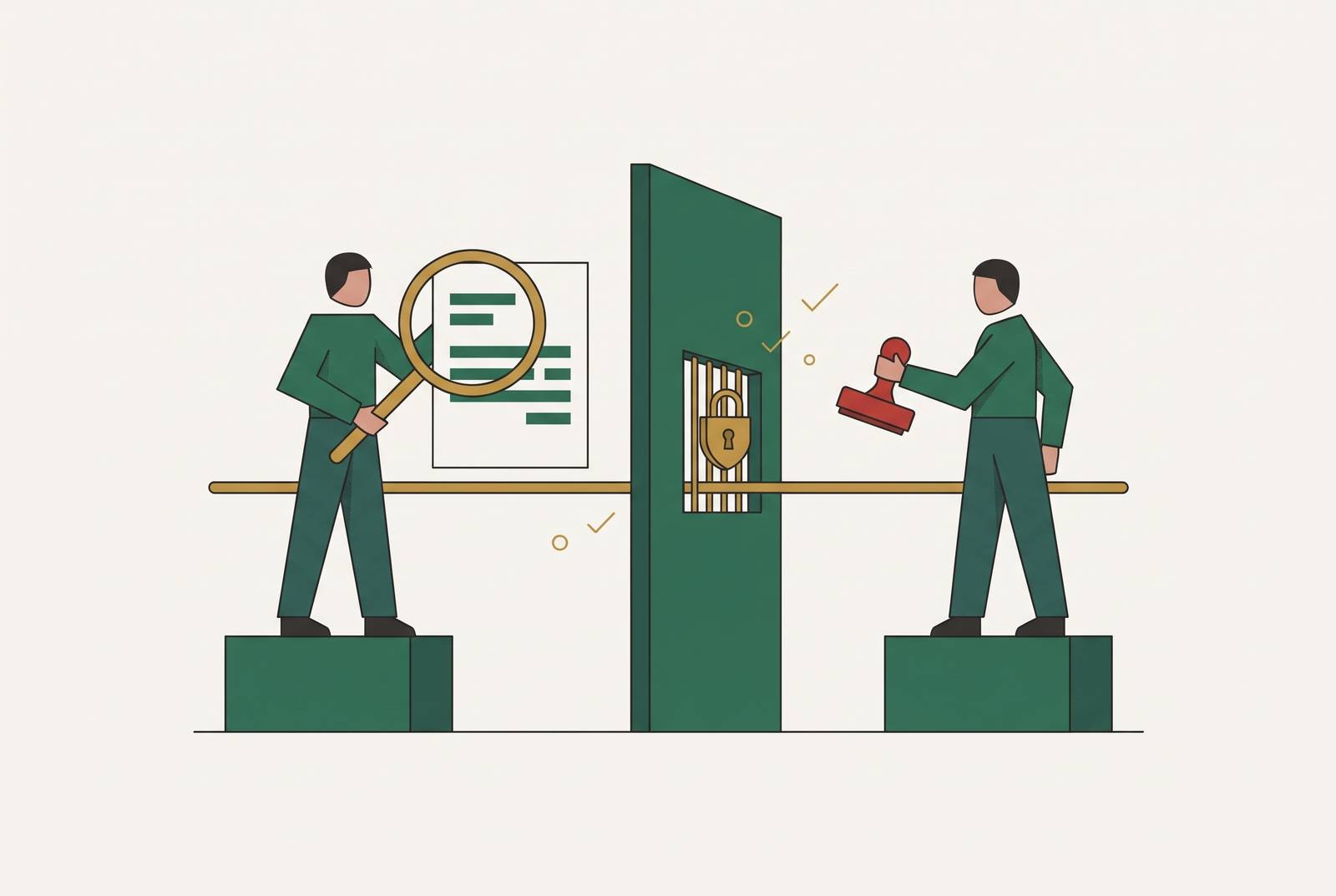
Tax workflow tools enforce structural role separation when their permissions prevent one person from preparing, reviewing, and authorizing the same return. For QA and QC workflow separation in tax and accounting engagements, the critical distinction is between checking the work and independently authorizing its release. An approval step becomes a control only when the software blocks conflicting roles and records each decision separately.
Why tax workflow tools are not the same as tax preparation software
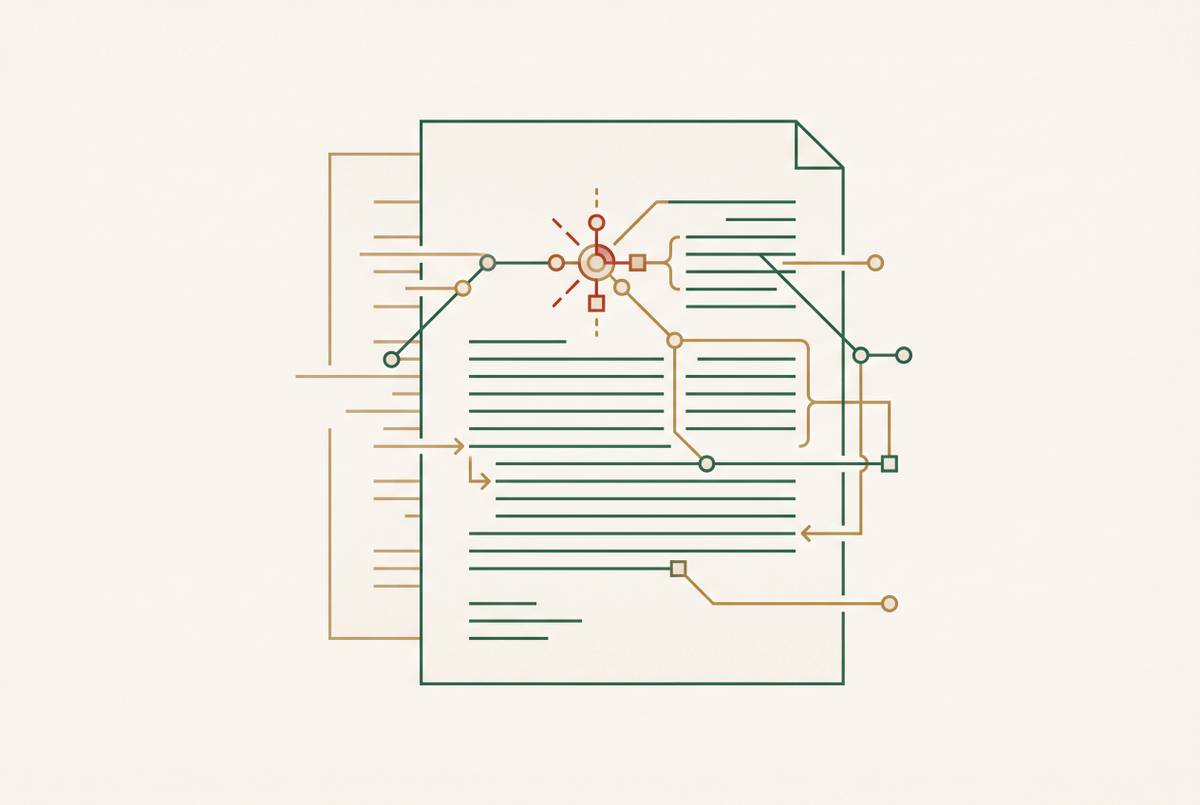
Tax preparation software is the calculation and filing engine. It handles calculations, form generation, diagnostics, and e-filing, but those functions do not establish who may independently review or authorize a return. The surrounding work presents a different problem. Incomplete intake, document chasing, review queues without clear ownership, and status scattered across email threads can leave a technically prepared return inside an uncontrolled process.
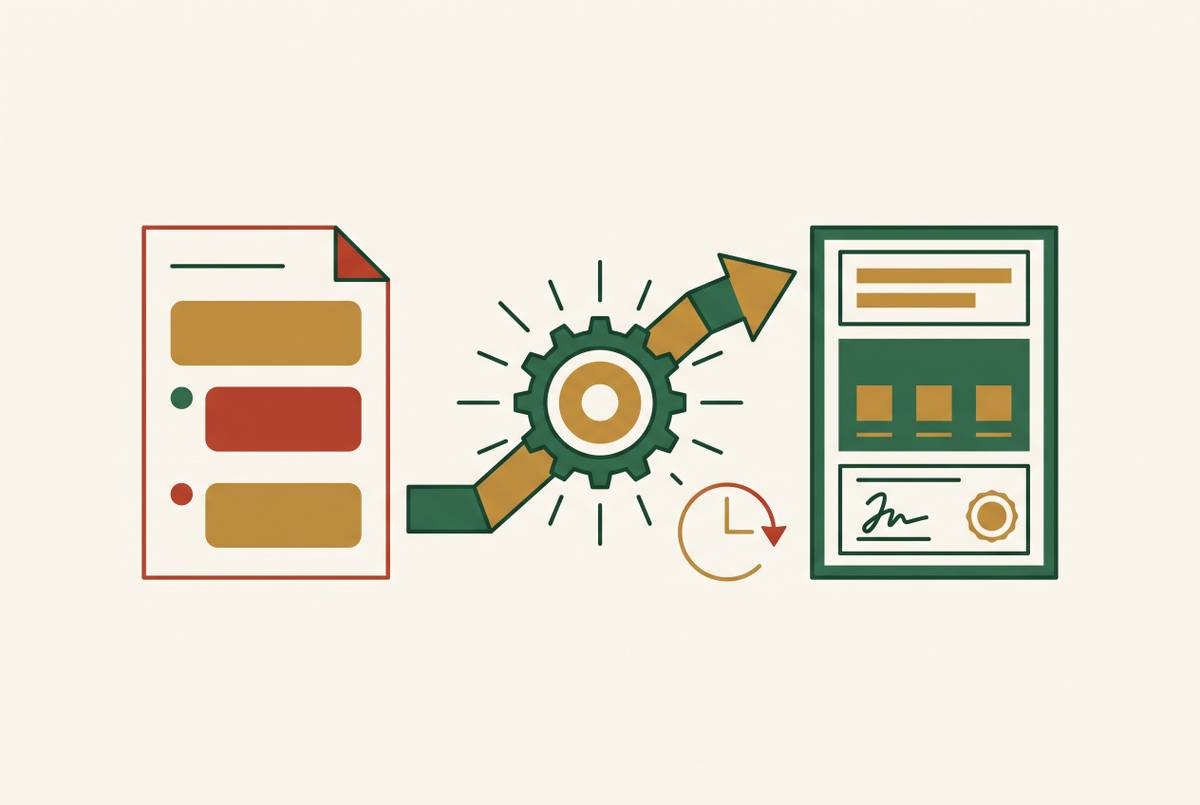
Tax workflow software governs that surrounding process by defining who prepares, who reviews, who signs off, what documents are required, and what proof must exist before release. Its central concern is responsibility across the engagement, rather than calculation within the return. That distinction also explains its role in scalable growth. A firm can increase return volume by increasing administrative effort, but a scalable workflow allows volume to grow without that effort rising at the same pace. Clear ownership and controlled handoffs provide the operating structure for that growth.
What structural role separation actually means in a tax workflow
Structural role separation is a permission-level constraint. The preparer creates the work and moves it forward but cannot supply its independent review or final authorization. The reviewer exercises independent judgment over the prepared work but does not replace the approver’s final decision. The approver authorizes release of work prepared by someone else. Titles alone do not establish these boundaries. The software must restrict what each person can do on the particular return.
The workflow gives those permissions a sequence through distinct states, namely drafted, reviewed, approved, submitted, and returned. Each state represents a handoff with a distinct owner. SG Systems Global’s regulatory glossary describes review order as aligned with segregation-of-duties principles so that originators cannot approve their own work and QA retains independence. Its context is regulated manufacturing.
Within a tax engagement, partner-level approval concerns material positions, unresolved judgment calls, filing risk, scope exceptions, and documentation adequacy. Basic data-entry errors should be caught earlier in the process. Keeping those duties separate stops final approval from turning into another round of preparation and routine checking. The route can still vary by engagement, with one reviewer for some work and a manager, specialist, and signing partner for other work. Business returns, individual returns, and high-risk clients do not all need to follow the same path.
Why an approval step in software is not the same as enforced separation
An approval button proves that a workflow contains an approval action. It does not prove independence. If the person who enters a return can also approve it, the software has added a click without preventing self-authorization. The practical quality test is therefore whether the same user can occupy conflicting roles on the same item. A tool that permits that combination reproduces the weakness of a manual process inside a digital interface.
Least-privilege access tackles this weakness by giving people only the permissions they need for their assigned work. It does not prohibit collaboration or shared visibility where those are needed. Instead, it makes responsibility visible and attributable while reserving decisions for the proper role. IRSLogics identifies the catch-all “staff” role as a common failure mode because successive exceptions add permissions until the role becomes too broad to enforce a boundary.
SG Systems Global distinguishes over-engineering, where every record goes to everyone and work stalls, from under-engineering, where anyone can approve anything and control erodes. More reviewers are not automatically more effective. Tax firms need to separate work that calls for independent judgment from checks that do not need more people, so that routine checking does not use up the authority kept for final approval.
The specific access objects and actions a well-designed permission model controls
A permission model must govern both the records a user can see and the operations that user can perform. Visibility and authority are separate dimensions of access. The independently controlled actions include view, create, edit, assign, approve, export, delete, and configure. Read access must not silently confer approval rights. Evaluating roles against each object and action exposes gaps that a broad label such as “staff access” can conceal.
Authorization work provides a concrete example of that distinction. A team member may collect signatures and enter tax periods, while the reviewer assigned to the work checks the scope before transcript or representation activity goes ahead. Support staff may also collect and bind financial data without being allowed to approve the analysis and submission. The handoff depends on authorization for the action.
Routine access may be limited by office, while a practitioner works across two offices and a finance team supports the whole firm. Executives may need aggregated reporting without opening every taxpayer file. Process Street describes the approved deliverable moving to filing, e-file, or client delivery with a record of who approved what, distinguishing a controlled handoff from movement on a loose task board.
How the audit trail produced by enforced separation functions as documented proof of control
Rather than reconstructing review from email and chats, the firm has a time-stamped, attributable record of the preparer’s work, the reviewer’s judgment, and the partner’s approval as separate actions. Delegation does not erase professional responsibility. IRSLogics identifies practitioner review as needing to remain attributable even when support staff prepare documents and case work. The record must distinguish who assembled the work from who exercised the professional judgment.
SG Systems Global describes an audit trail as attributable, time-stamped, and tamper-evident, with each signature bound to the record at the moment of action. The signature’s meaning must also be clear. Performed, reviewed, and approved are different acts. Applied to tax workflow design, these properties document the independent review and authorization that the permission model requires. They provide evidence of control, although a recorded approval alone cannot establish the depth of a person’s judgment.
The IRS requires professional preparers to have and keep up a Written Information Security Plan. The FTC Safeguards Rule independently requires a WISP and further controls, including a designated Qualified Individual, MFA, encryption, and breach notification. The audit trail from a well-designed workflow helps meet the need to document those controls. Neither requirement should be presented as a specific mandate for the preparer-reviewer-approver sequence, nor should workflow logging be presented as sufficient compliance on its own.
How AI-assisted tax workflows stress-test role separation structures that were designed for human throughput
AI-assisted intake, extraction, and document sorting can accelerate the front end without increasing the capacity for independent review at the back end. Control dilution can leave review and sign-off the same on paper while each return gets less scrutiny because the number of returns grows faster than the firm's ability to review them. The concern is whether AI-generated work is accurate and whether the firm’s existing approval structure can preserve independent judgment under greater throughput.
Under that pressure, an approval gate that exists in name only can turn into a faster rubber-stamp and lose its value as a point where someone makes a real decision. Permission-level blocks remain necessary because a preparer must not approve the same AI-assisted output they moved into review. Those blocks preserve independence, but they do not by themselves create review capacity or prove careful judgment. Volume amplifies any weakness in the boundary. A workflow built for human-paced preparation needs controls that still work when preparation speeds up.
Risk-based routing provides a further response to that pressure. Process Street frames exception paths as a necessary part of workflow design, with higher-risk engagements moving through additional review gates rather than the same lightweight path as routine returns. Complex or edge-case AI-assisted returns are candidates for that escalation. The control principle does not change with the preparation method. What changes is the load placed on review and the consequence of allowing exceptions to pass through routine approval.
What small firms with limited staff can do when full role separation is not staffing-feasible
Limited staffing can make complete separation of every duty impractical. It does not remove the need for independent oversight. Where staffing cannot support distinct roles throughout an engagement, compensating controls provide a minimum safeguard. One such measure is to have a second person check the work of someone in combined roles from time to time. Management review and approval thresholds based on the size of an obligation or the level of risk are other ways to keep checking work when duties must overlap.
For a firm in that position, logging and exception reporting are essential to making compensating controls usable. The system should attribute every action so that a periodic reviewer can identify what the combined-role user actually did. Exception reporting should flag cases where one user worked on more than one stage of the same engagement. Otherwise, oversight depends on reconstructing activity after the fact.
Separate review consumes scarce staff time, and a small firm may have to apply it according to risk and available capacity. The alternative also has a cost. A filing error traceable to one person preparing, reviewing, and approving their own work exposes the weakness that compensating controls are intended to address.
How can a firm evaluate whether a tax workflow tool enforces QA and QC separation?
A firm should evaluate a permission model primarily by whether it prevents a user from clearing their own work through conflicting stages. A firm evaluating a tool should examine whether drafted, reviewed, approved, submitted, and returned are distinct workflow positions with role assignments. It should also examine visibility and action rights independently. The test is whether a person who needs to open or edit a record can still be barred from approving it.
Routing and evidence complete that evaluation of the boundary. Conditional logic should escalate high-risk or complex engagements to additional review gates without relying on someone to remember a manual reassignment. Approval records should be time-stamped, attributed to the responsible role, and bound to the record at the moment of action. A general activity log is not equivalent. For firms using combined roles, attributable logging and exception reporting must also support the compensating review their staffing model requires.
Purpose-built tax workflow platforms are the relevant category because their permission architecture is more likely to reflect tax engagement structures than a generic platform with an added approval step. That category fit is not proof of enforcement. Process Street supports configurable preparer review, senior review, and partner sign-off with conditional branches based on entity type, service, risk, or balance. Those capabilities address sequencing and review depth, but a buyer still needs to establish that the configured permissions prohibit conflicting participation. The purchase decision turns on what the system prevents.