Features
What AI Actually Does Inside an Accounting Firm
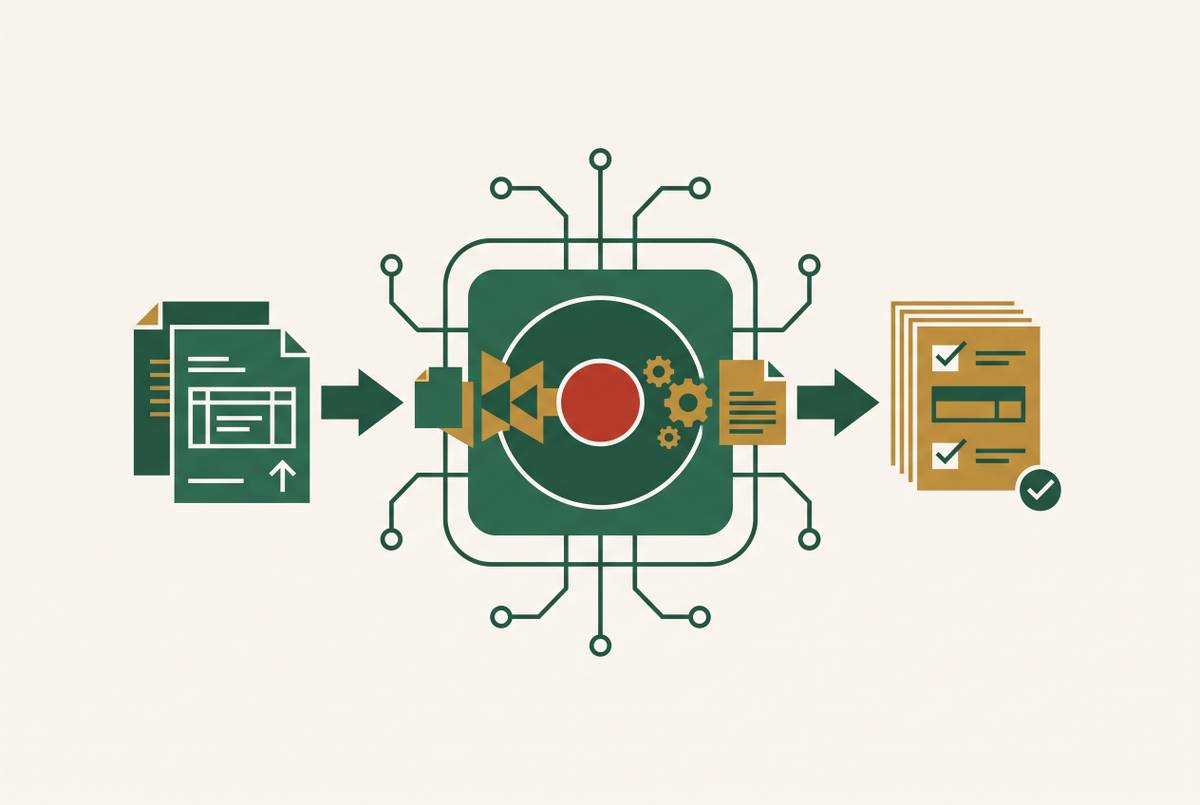
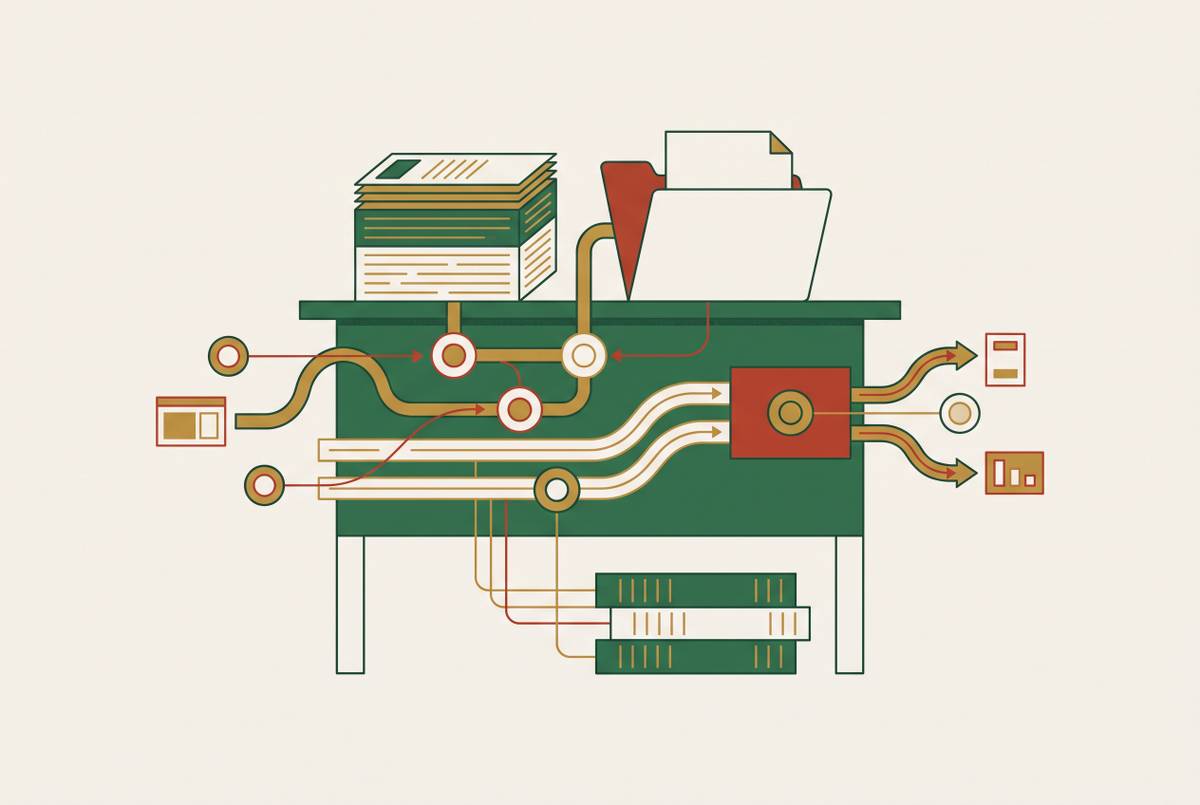
AI extracts data from documents and flags anomalies accountants review.
Beatrice Rosenthal
· 10 min read
AI extracts data from documents and flags anomalies accountants review.
Understand the four architectural layers behind AI tax tools to pick the right one for your firm.
Treating tax work as a production system reveals why informal management fails during peak season.
CPAs must own at least 51% and control CPA firms; non-CPAs cannot exceed 49%.
Proper NUBIG valuation at conversion locks in tax exposure for five years.
Firms need different tools to prevent errors upstream versus catch them downstream.
Annual PTIN renewal is mandatory and expires December 31 every year.
Enrolled Agents and CPAs have equal IRS authority; choose based on actual work, not assumptions.
Separating audit work from client services requires structural walls the code enforces strictly.
State boards, not the AICPA, control whether your tax CPA license survives.
The six principles anchor the Code but carry no direct enforcement power on their own.
Two valuation methods produce vastly different numbers for the same intangible asset.