Compliance Operations
Best AI Software for Automating Tax Compliance Workflows at Mid-Size CPA Firms
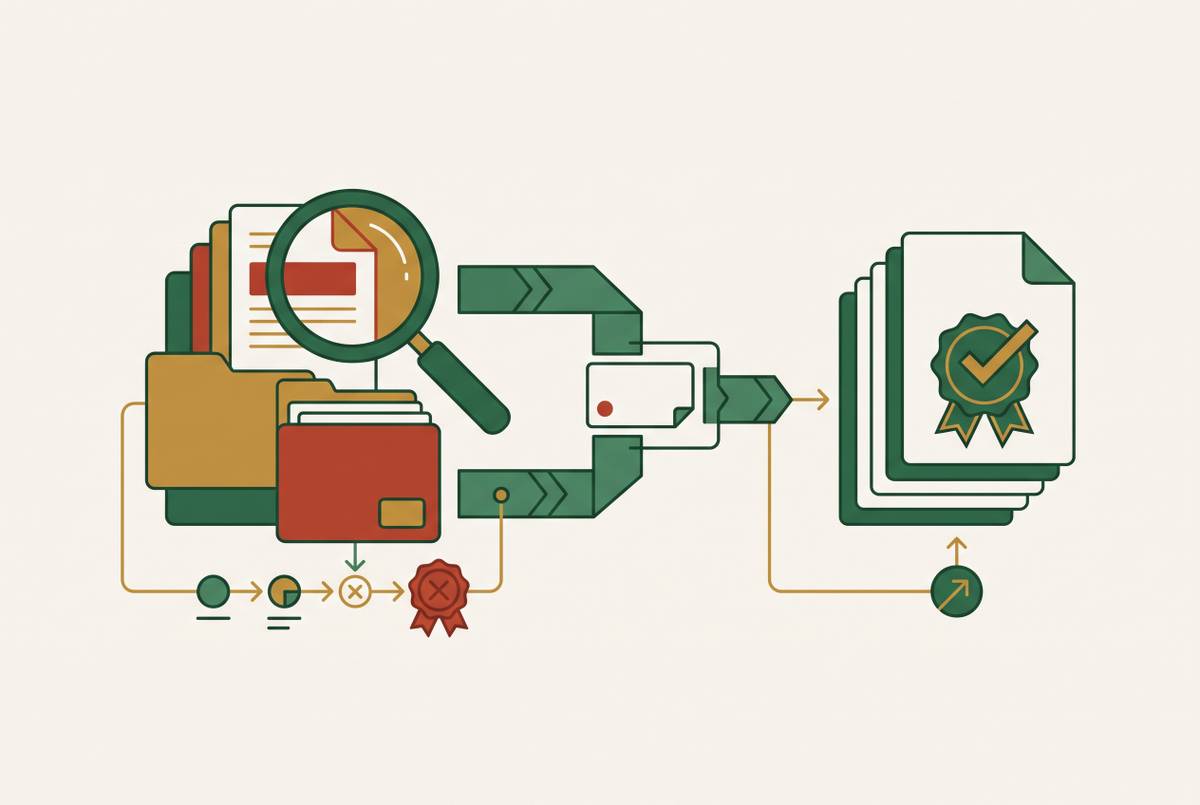
Marble connects intake, research, and return analysis in one shared workspace.
Julian Sandoval
· 9 min read
Marble connects intake, research, and return analysis in one shared workspace.
Purpose-built platforms automate verification, not just extraction, to handle staffing shortages.
Separating quality assurance from quality control prevents partners from firefighting during review.
RAG-based platforms guard against hallucinated citations that general AI cannot.
Asset retirement obligations create separate tax and book deductions that reverse years apart.
Deferred gain requires a five-year agreement with the IRS.
Most CPAs face claims in their careers, and defense costs alone can exceed $100,000.
Ethics requirements vary sharply by state, from AICPA exams to state-specific tests to none at all.
Engineers break down building costs into faster depreciation buckets.
Update engagement letters when client scope shifts mid-year to protect your firm.
How to pick tax software that matches your growth, not just feature lists.
Tax firms need document controls that cloud storage can't provide, not just file storage.